

Recreation Directories: The Smart Guide to Finding Activities, Parks, Clubs, and Local Fun

Understanding Recreation Directories
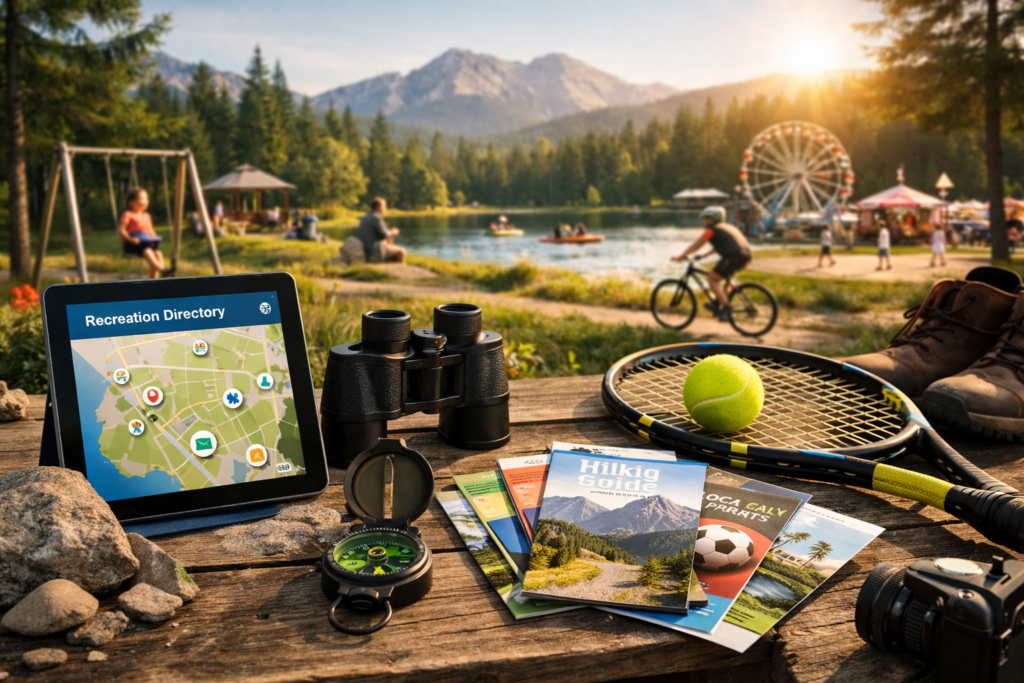
Recreation directories are organized listings of recreational resources, services, venues, and programs. They may exist as online platforms, printed guides, municipal portals, tourism websites, or community databases. Their purpose is simple: help individuals, families, tourists, and organizations locate places and activities that support leisure, fitness, entertainment, and community engagement.
A quality recreation directory typically includes information about parks, hiking trails, sports facilities, gyms, swimming pools, camps, community centers, hobby clubs, arts programs, seasonal events, and outdoor adventure providers. Many also feature business hours, pricing, contact details, accessibility information, age recommendations, photos, reviews, and maps.
In a world where people want quick access to reliable local information, recreation directories serve as a practical tool for planning free time more effectively. Whether someone is looking for a weekend family outing, a youth soccer league, a nearby fishing area, or a dance class, a directory can turn a broad search into a focused, useful list of options.
Why Recreation Directories Matter
People often know they want to do something active or enjoyable, but they do not always know where to begin. Recreation directories reduce the frustration of searching across multiple websites or relying on outdated word-of-mouth recommendations. By bringing information together in one place, these directories save time and improve decision-making.
They also support communities in meaningful ways. Local governments can use directories to promote public facilities and city programs. Tourism boards can highlight attractions and experiences for visitors. Businesses and nonprofits can increase visibility for their classes, rentals, and events. For residents, the result is a stronger connection to community life and better awareness of the recreational opportunities around them.
Key Benefits of Recreation Directories
-
Convenience: Users can explore many activity options in one searchable resource.
-
Discovery: Directories reveal hidden local opportunities people may not find otherwise.
-
Comparison: It is easier to compare costs, features, hours, and locations.
-
Accessibility: Many directories include wheelchair access, family-friendly features, and transportation details.
-
Community engagement: They encourage participation in programs, events, and clubs.
-
Support for local providers: Recreational businesses and organizations gain exposure to interested audiences.
What You Can Find in a Recreation Directory
The best recreation directories are broad enough to serve diverse interests while remaining structured and easy to navigate. Categories commonly include both indoor and outdoor opportunities, free and paid options, and resources for different age groups and skill levels.
Common Listings
-
Parks, playgrounds, and picnic areas
-
Sports complexes, courts, and athletic fields
-
Swimming pools, water parks, and beaches
-
Campgrounds, RV parks, and cabin rentals
-
Trails for hiking, biking, and running
-
Gyms, yoga studios, and fitness centers
-
Community centers and youth programs
-
Arts, music, and dance classes
-
Adventure recreation such as kayaking, rock climbing, and ziplining
-
Seasonal events, festivals, camps, and workshops
Some directories are highly localized, focusing on one city or county, while others cover entire regions or specialized niches such as outdoor recreation, family entertainment, or accessible travel. This flexibility makes them useful for both everyday planning and destination research.
Features of an Effective Recreation Directory
Not all directories offer the same value. The most useful ones prioritize clear organization, accurate listings, and strong search tools. Since recreational needs vary widely, users benefit most from directories that help them filter options quickly.
Important Features to Look For
-
Search and filters: Users should be able to narrow results by location, age group, price, activity type, and accessibility.
-
Interactive maps: Mapping tools help users understand distance, routes, and nearby amenities.
-
Updated information: Hours, fees, closures, and seasonal availability should be current.
-
User reviews and ratings: Feedback adds practical insight about quality and experience.
-
Mobile-friendly design: Many users search while traveling or planning on the go.
-
Detailed descriptions: Listings should explain what to expect, who it suits, and what to bring.
When directories include photos, booking links, event calendars, and safety information, they become even more useful. These features help users move from browsing to action with greater confidence.
Who Uses Recreation Directories?
Recreation directories serve a wide audience. Families may use them to find affordable weekend activities, summer camps, or indoor options during bad weather. Fitness enthusiasts may search for sports leagues, walking trails, or specialty classes. Tourists often rely on directories to identify local attractions and outdoor experiences. Seniors, students, and community groups can all benefit from listings tailored to their interests and mobility needs.
They are also helpful for planners and administrators. Schools, event organizers, and local agencies may use recreation directories to identify venues, partners, or public resources. In this way, directories support not only leisure but also coordination and community planning.
How Recreation Directories Support Local Economies
Beyond personal convenience, recreation directories contribute to economic activity. They direct traffic toward local businesses, guide visitors to tourism-related experiences, and promote underused public facilities. A family that discovers a nature center through a directory may also spend money at nearby cafes, shops, or lodging providers. A tourist searching for outdoor recreation may book rentals, tours, or event tickets through listed providers.
For small operators, being included in a trusted directory can improve visibility without requiring a large advertising budget. This is especially valuable for seasonal businesses, local clubs, and community-based organizations that depend on awareness and participation.
Tips for Using Recreation Directories Effectively
To get the most value from a recreation directory, users should search with specific goals in mind while staying open to discovery. A simple keyword search can be helpful, but filters often reveal better matches.
-
Set a location radius to find convenient options nearby.
-
Check dates and seasonal schedules before making plans.
-
Review accessibility details if mobility, stroller access, or public transit matters.
-
Read user comments for practical insight about crowds, cleanliness, and amenities.
-
Compare free and paid activities to balance budget and experience.
-
Save favorite listings for future outings or repeat visits.
It is also wise to verify important details directly with the venue or program provider, especially for weather-dependent activities, temporary closures, or special event registrations.
The Future of Recreation Directories
As digital tools continue to evolve, recreation directories are becoming more interactive, personalized, and data-driven. Future improvements may include AI-based recommendations, real-time availability updates, route planning, integrated booking systems, and personalized suggestions based on age, interests, weather, and fitness level.
At the same time, the core value of recreation directories remains unchanged: they help people find meaningful ways to enjoy their time. In an increasingly busy world, having a central resource for leisure and activity planning is more important than ever. Recreation directories simplify choices, expand awareness, and encourage healthier, more connected lifestyles for individuals and communities alike.
More Articles Like: Recreation Directories: The Smart Guide to Finding Activities, Parks, Clubs, and Local Fun


How Computers Power Smarter, Safer Home Automation
Computers are the hidden engines behind modern home automation, coordinating devices, processing data, and making daily living more efficient. From smart lighting to AI-driven security, they enable connected homes to respond intelligently to user needs.

Play-By-Mail Games: The Strategic World Built One Turn at a Time
Play-by-mail games turned postal systems into battlefields, marketplaces, and fantasy realms long before online gaming became common. Their slow, strategic format created a uniquely thoughtful style of play that still fascinates hobbyists today.

Beyond the Headlines: Understanding the Rise of Alternative News
Alternative news has become a major force in the modern media landscape, offering audiences new perspectives, niche reporting, and challenges to mainstream narratives. Its growth reflects changing technology, public trust, and the demand for more diverse information sources.